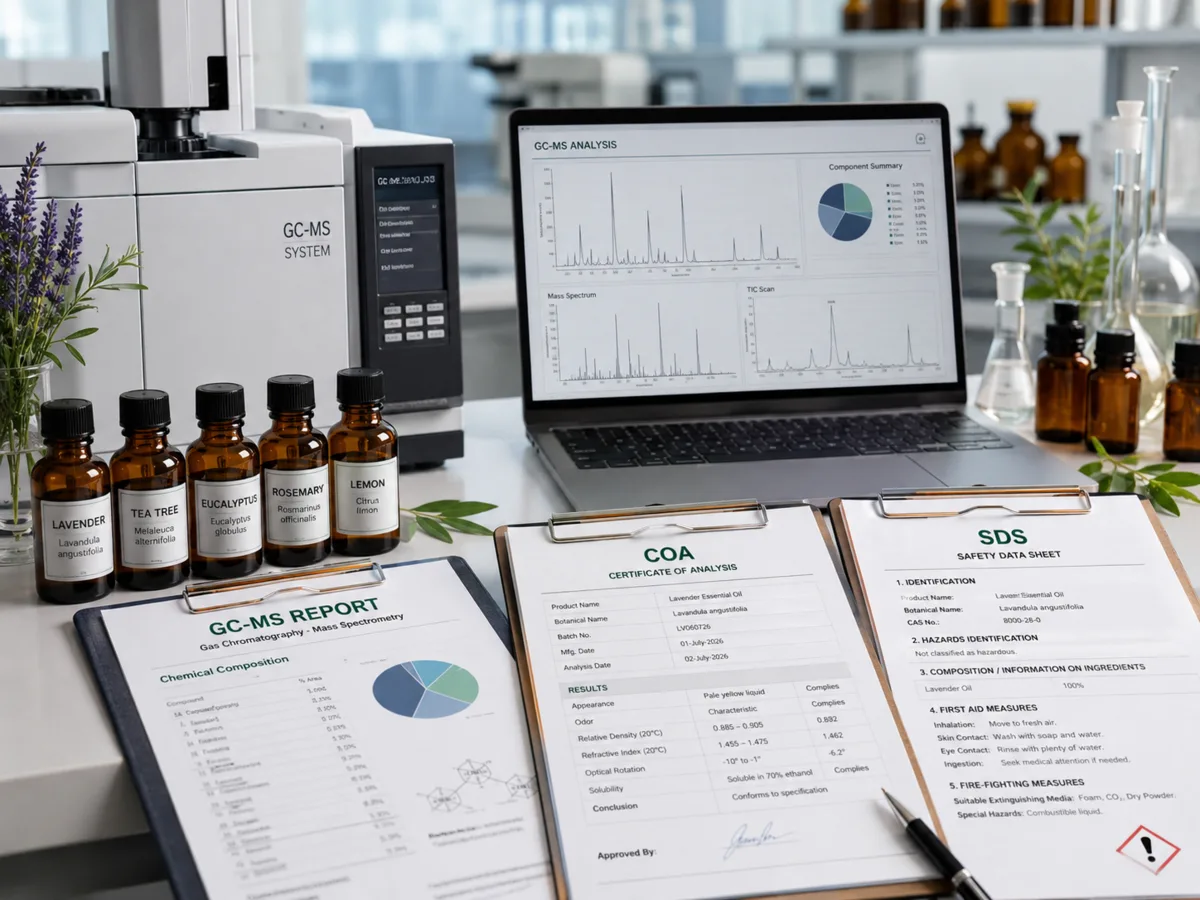
Serious essential-oil buyers rarely ask "is it pure?" — they ask "show me the batch documents." Three documents dominate B2B trade in botanical oils: the GC-MS report, the Certificate of Analysis (COA) and the Safety Data Sheet (SDS). Understanding what each one does — and does not — prove will make you a sharper buyer.
GC-MS: the compositional fingerprint
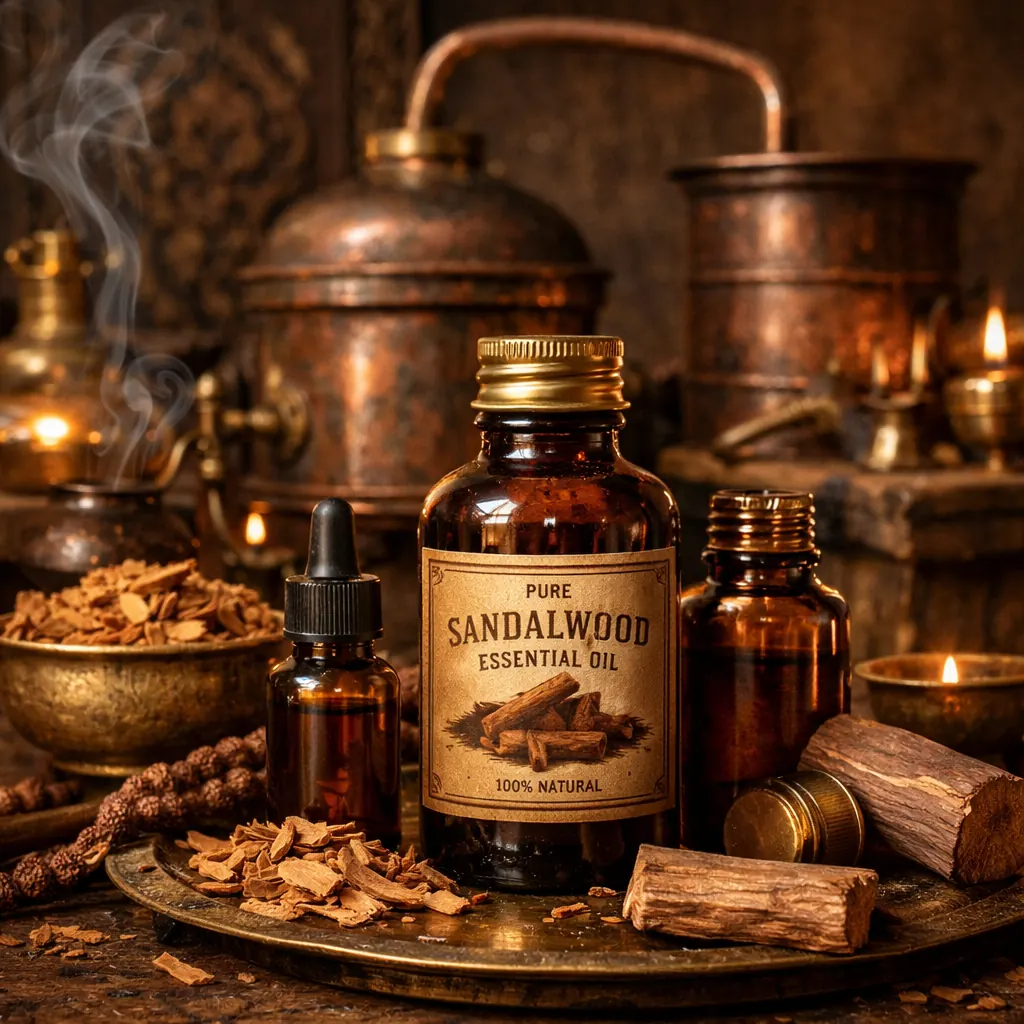
Gas chromatography–mass spectrometry separates an essential oil into its volatile components and identifies them, producing a percentage breakdown — citral in lemongrass, geraniol in palmarosa, santalols in genuine sandalwood, menthol in peppermint. A GC-MS profile lets a buyer check whether a batch matches the expected fingerprint of the declared botanical species.
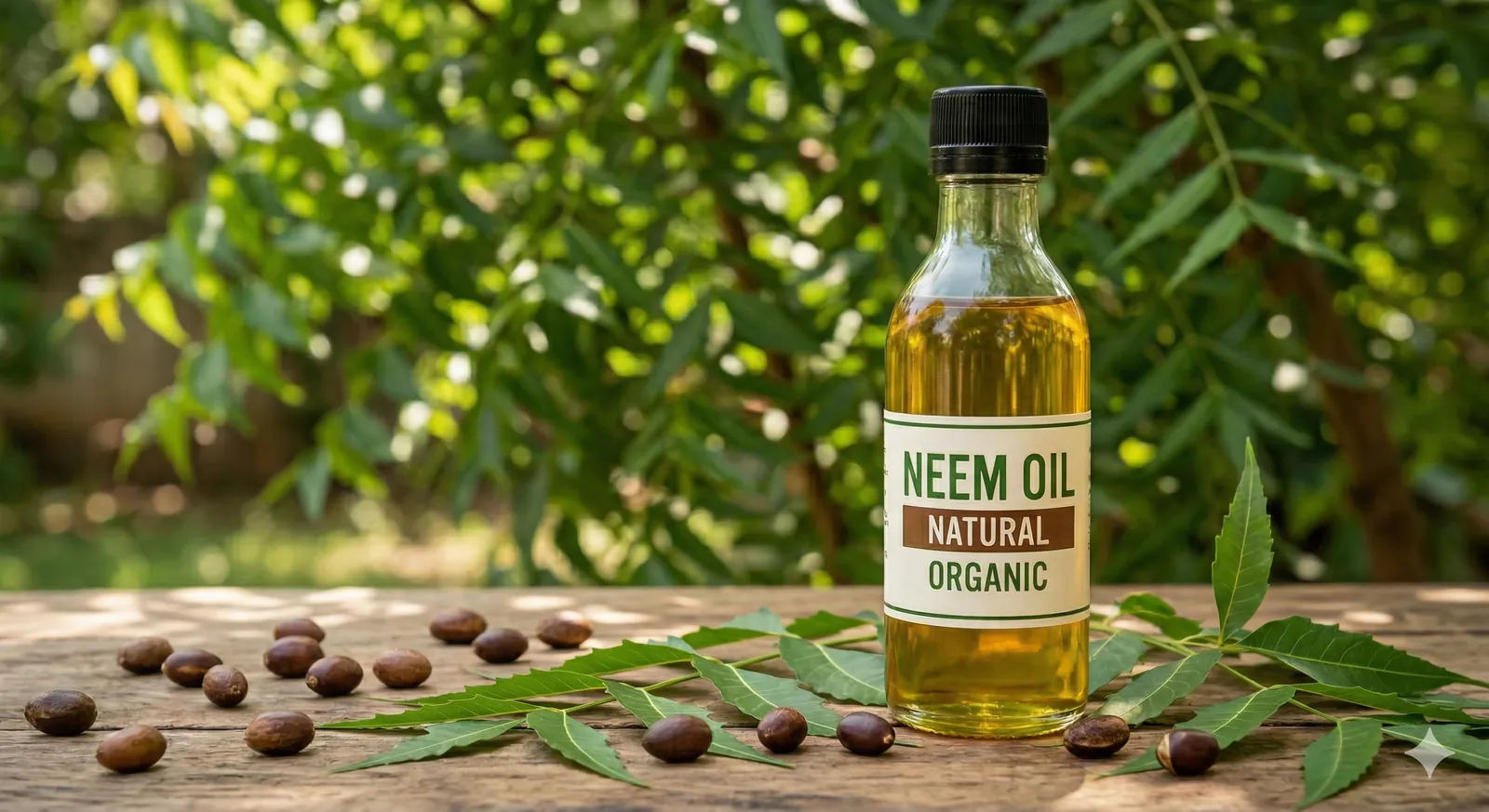
What GC-MS is not: it is not a "purity certificate." It characterises volatile composition; interpretation still requires comparing the profile against reference ranges for the species. It also does not measure heavy metals, pesticide residues or microbial safety — those are separate analyses. And for a fixed oil like neem seed oil, GC-MS of volatiles is largely irrelevant; neem is evaluated through different parameters (such as azadirachtin content, acid value and peroxide value, depending on grade and use).
COA: the batch summary
A Certificate of Analysis summarises measured parameters for a specific batch — typically appearance, odour, colour, specific gravity, refractive index, optical rotation and key component ranges. The COA is the document you file against the batch number on your goods-received note. Always check that the batch number on the drum, the COA and the invoice match.
SDS: safe handling and transport
The Safety Data Sheet covers hazard classification, flammability, first-aid measures, storage conditions and transport classes. Essential oils are combustible, and citral-rich or menthol-rich oils carry specific handling notes. Your warehouse, insurer and freight forwarder will all expect the SDS — request it before the shipment, not after.
How professional buyers use the three together
- Before ordering: review GC-MS (for relevant essential-oil batches) to confirm the profile fits your application.
- On receipt: reconcile COA parameters and batch numbers; retain a sealed retention sample.
- In operations: file the SDS for storage, handling and export documentation.
Documentation at Herbistry
At Herbistry, relevant essential-oil batches are evaluated through GC-MS as part of internal quality review. COA and SDS are batch-dependent, while GC-MS report sharing is not routine and may be discussed for selected high-volume or export enquiries. We state plainly what a document proves and what it doesn't — because long-term B2B relationships are built on accurate paperwork, not overclaiming. Ask us on WhatsApp which documents are available for the batch you are considering.
Disclaimer: Herbistry supplies raw materials. Final formulation efficacy, stability, labelling, registration and regulatory compliance remain the responsibility of the finished-product manufacturer. Nothing in this article is medical advice or a finished-product performance guarantee.