
Agarbatti and dhoop are among the largest end-uses for essential oils in India. Yet buying oils for incense is different from buying for cosmetics or aromatherapy: the fragrance must survive combustion, not just smell good in the bottle. This guide summarises how experienced incense manufacturers evaluate bulk essential oils before committing to volume.
1. Judge the oil in smoke, not on a blotter
An oil that smells bright on a perfumer's strip can flatten, turn acrid or disappear entirely once the stick burns. Serious buyers run a simple dip-and-burn trial: dip unperfumed sticks at a fixed ratio, cure them fully, then burn them in a closed room and assess the cold throw, hot throw and after-smell. Only oils that keep a recognisable character in smoke should move to costing.
2. Oils that historically perform in incense
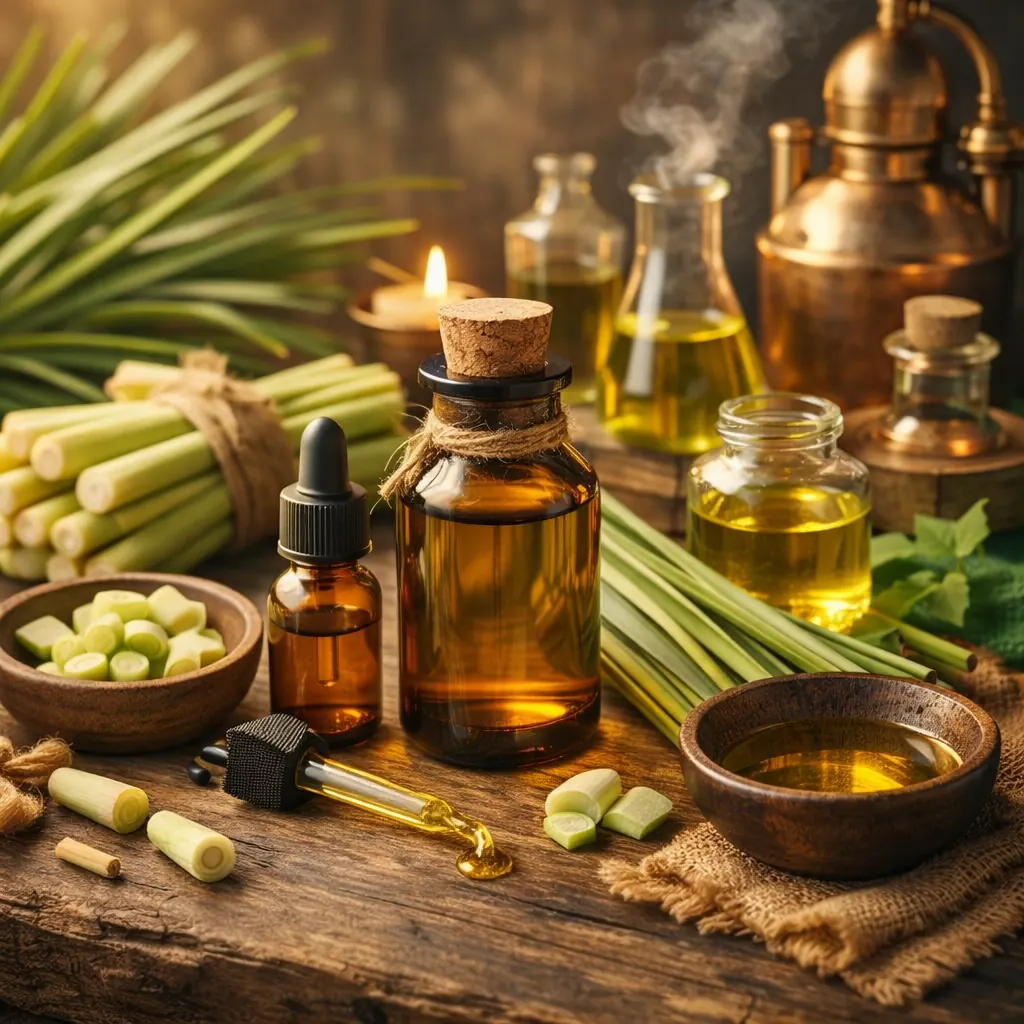
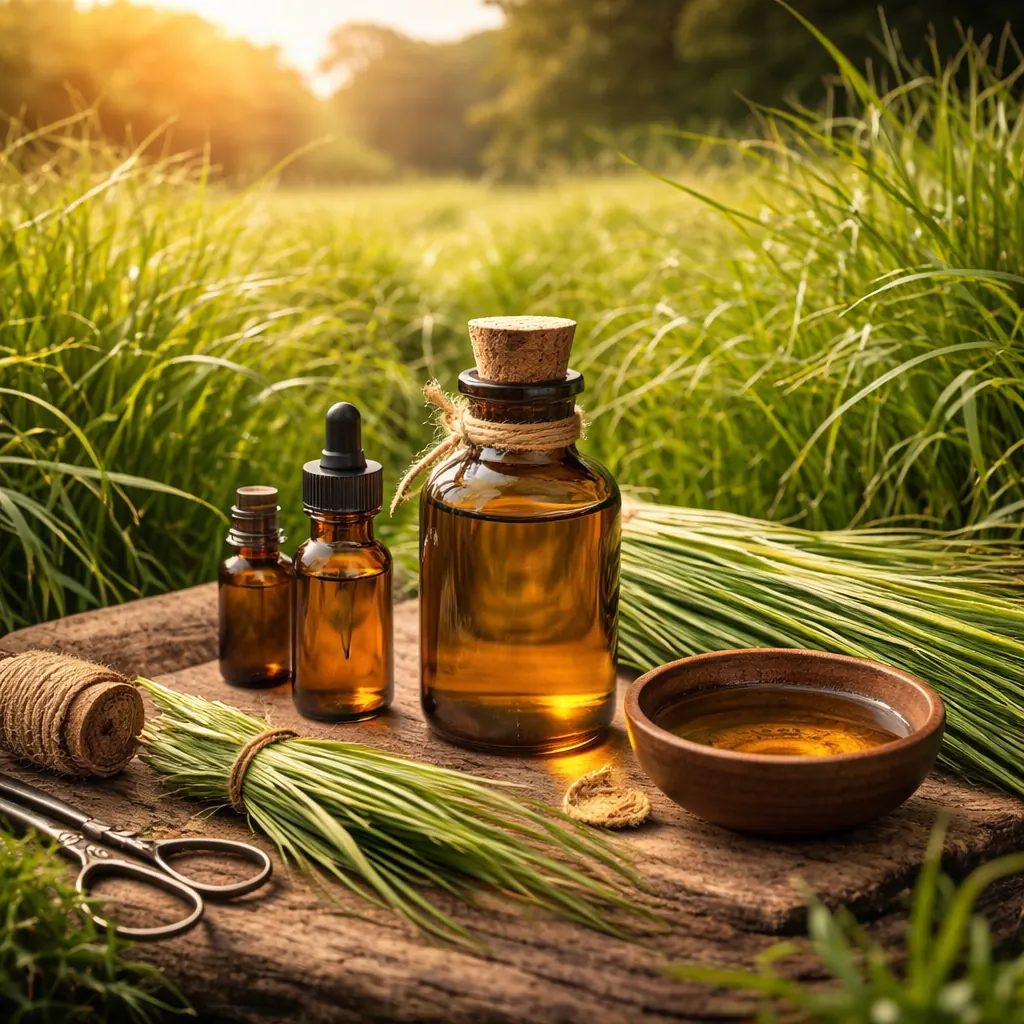
- Lemongrass essential oil — high-citral, sharp and lifting; widely used in mosquito-repellent-positioned incense and fresh/citrus themes. It cuts through smoke well and is economical at scale.
- Palmarosa essential oil — rosy-geraniol profile; a workhorse for floral and rose-type accords at a fraction of rose otto cost.
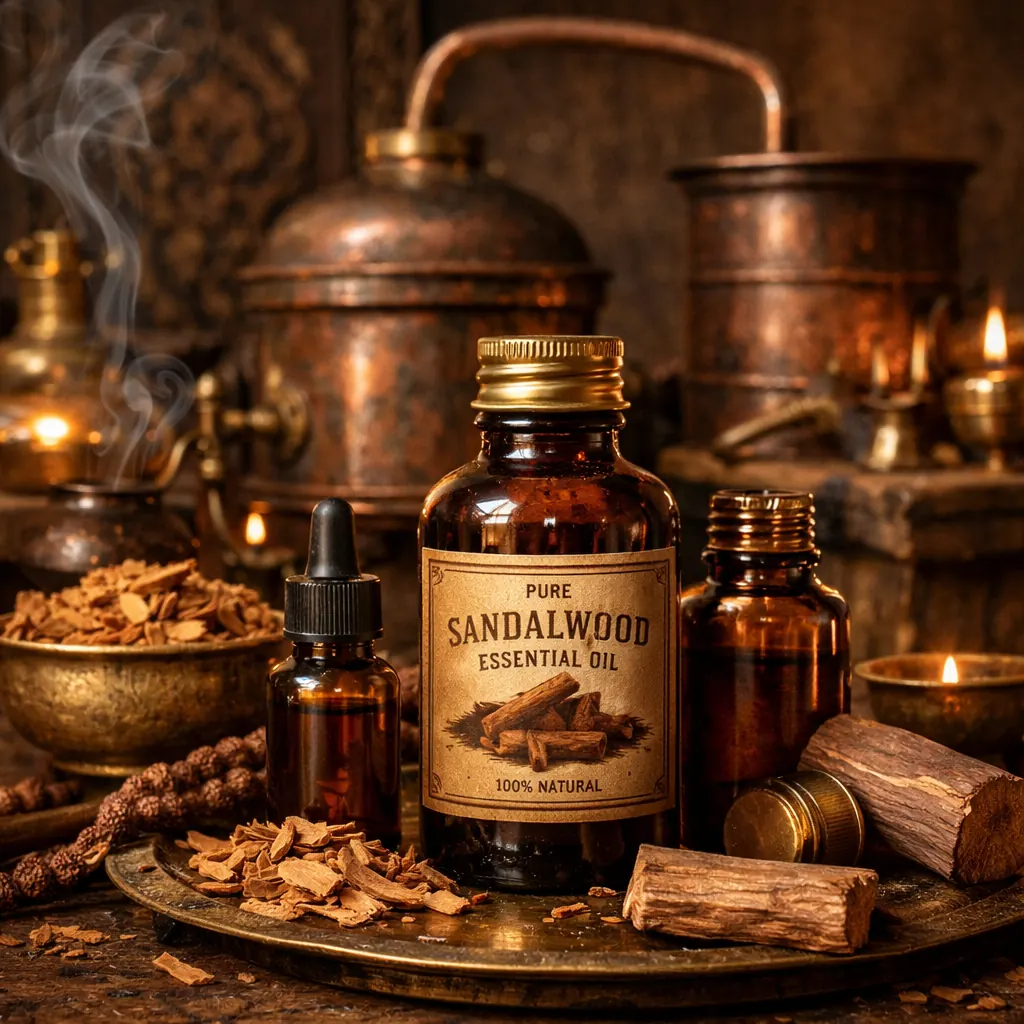
- Sandalwood oil — the classic base for premium agarbatti; grade and species vary widely, so always confirm what is actually being offered before pricing a line around it.
- Peppermint essential oil — cooling top-note accents in specific regional preferences and functional themes.
3. Work backwards from cost per stick
Incense margins are thin. Rather than asking "what does the oil cost per kilogram", calculate what it adds per finished stick at your intended dosing. A costlier oil that performs at lower dosage can beat a cheap oil that must be over-dosed to register. This is also why consistent batch character matters: if strength drifts between lots, your dosing — and your economics — drift with it.
4. Ask for the right documents
For essential-oil batches, a GC-MS profile shows the component fingerprint (for example citral content in lemongrass or geraniol in palmarosa), and a COA summarises physical parameters. An SDS supports safe storage and transport. Documentation availability is batch-dependent, and a GC-MS trace is a compositional fingerprint — not a purity certificate — but reviewing it before purchase is far better than discovering variation after production.
5. Keep claims on your packaging honest
Essential oils supplied for incense are raw materials. Repellency, wellness or therapeutic claims on the finished product are the manufacturer's responsibility and typically require the manufacturer's own efficacy testing and regulatory clearances in the market of sale. Buying a well-documented oil is the first step; substantiating the finished-product claim is a separate one.
Practical rule: approve the oil in a burn trial, price it per stick, and lock documentation expectations before the first commercial order.
Sourcing incense-grade oils from Herbistry
Herbistry supplies bulk lemongrass, palmarosa, sandalwood, rose-type, peppermint and other oils to agarbatti and dhoop manufacturers from Rajkot, Gujarat — with direct farmer-linked sourcing for lemongrass and palmarosa. Send your product theme, monthly volume and target dosing on WhatsApp and we will suggest suitable options with available batch documentation.
Disclaimer: Herbistry supplies raw materials. Final formulation efficacy, stability, labelling, registration and regulatory compliance remain the responsibility of the finished-product manufacturer. Nothing in this article is medical advice or a finished-product performance guarantee.